
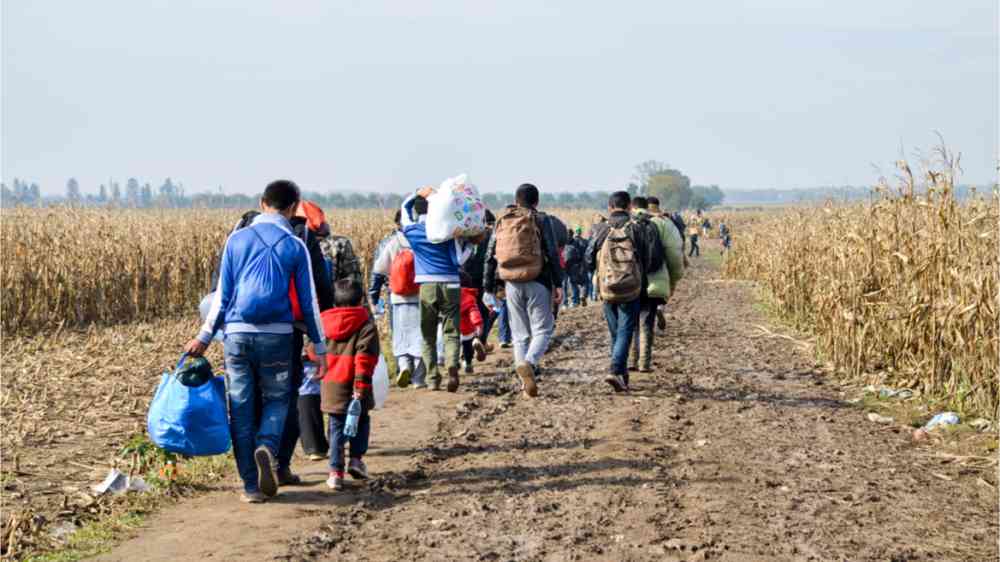
Climate migration refers to the movement of individuals or communities compelled to leave their homes due to environmental changes driven or exacerbated by climate change. These changes can be categorized into sudden-onset disasters (e.g., hurricanes, floods, wildfires) and slow-onset phenomena (e.g., desertification, rising sea levels, prolonged droughts).
Unlike economic migrants, who primarily seek better opportunities, or refugees fleeing persecution, climate migrants are forced to relocate as their environments become uninhabitable or unsustainable .
The Scale of the Crisis
The impacts of climate change are felt globally, but the most severe effects are often experienced in low- and middle-income countries that contribute minimally to global warming. Estimates suggest that by 2050, climate change could force up to 216 million people to migrate within their own countries across six regions: Sub-Saharan Africa (86 million), East Asia and the Pacific (49 million), South Asia (40 million), North Africa (19 million), Latin America (17 million), and Eastern Europe and Central Asia (5 million.
Recent data indicates that between 2009 and 2019, climate-related disasters were the leading cause of internal displacement, affecting around 20 million people annually, with a significant concentration in Asia.
The Groundswell report from the World Bank highlights that slow-onset impacts like water scarcity and declining crop productivity will increasingly drive internal migration.
Despite the growing recognition of climate migration as a pressing issue, there is currently no formal legal status for “climate refugees.” This gap complicates the protection and support for those displaced by environmental factors. Governments are beginning to acknowledge the need for policies that address both internal and cross-border migration driven by climate change.
Efforts to address climate migration:
- Reducing Global Emissions: Meeting the Paris Agreement’s temperature goals is crucial to mitigate further displacement.
- Inclusive Development Planning: Integrating climate migration into sustainable development strategies can help manage expected migration flows effectively.
- Investing in Understanding Drivers: Enhanced research on the causes of climate migration can inform targeted policies that support affected populations