
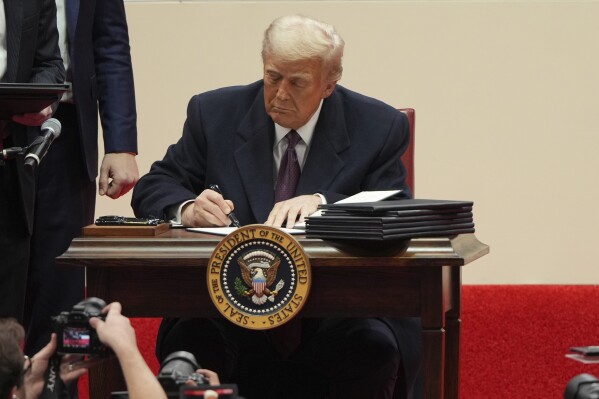
In a controversial move on his first day back in office, Donald Trump signed an executive order to withdraw the United States from the Paris climate agreement for a second time. Addressing supporters at an arena in Washington DC on Monday, Trump labeled the accord an “unfair one-sided rip-off” and announced formal notification to the United Nations of the US exit.
The decision re-initiates the year-long process to formally remove the world’s second-largest emitter of greenhouse gases from the international pact aimed at combating the climate crisis. This marks a significant shift in the US stance on global climate efforts under Trump’s renewed presidency.
The decision by President Donald Trump to withdraw the United States from the Paris Climate Agreement, announced on June 1, 2017, has had significant implications for both domestic and global climate policy. This move was framed by Trump as a means to protect American jobs and economic interests, claiming that the agreement imposed unfair restrictions on the U.S. economy while allowing other major emitters, particularly China, to continue increasing their emissions until 2030.
Economic Impacts
Trump argued that adhering to the Paris Agreement would cost the U.S. economy nearly $3 trillion and result in the loss of millions of jobs across various sectors. Critics countered that this perspective overlooks the potential economic benefits of investing in clean energy and sustainable practices. The withdrawal was seen as a step back from an era of increased environmental responsibility initiated during the Obama administration, which had aimed to position the U.S. as a leader in global climate action.
Environmental Consequences
The withdrawal is projected to lead to an increase in U.S. greenhouse gas emissions, with estimates suggesting emissions could be at least 3% higher by 2030 compared to if the U.S. had remained in the agreement. Furthermore, experts noted that while Trump’s administration rolled back many federal environmental regulations, several states continued to pursue ambitious climate policies independently, indicating a fragmented but persistent commitment to climate action at local levels.
Global Leadership and Perception
The U.S. withdrawal marked a significant shift in international climate leadership, with many countries expressing disappointment and concern over America’s retreat from its commitments. The move was perceived as undermining collective efforts to combat climate change globally, particularly given that the U.S. is one of the largest emitters of greenhouse gases. Analysts suggested that this decision could diminish U.S. influence in future international negotiations on climate change.
Trump’s withdrawal from the Paris Climate Agreement has had profound implications for both the U.S. economy and global climate initiatives. While it aimed to prioritize American economic interests, it also raised concerns about increased emissions and a loss of leadership in addressing one of the most pressing challenges of our time. The long-term effects of this decision continue to unfold as subsequent administrations reassess their commitments to international climate agreements.