
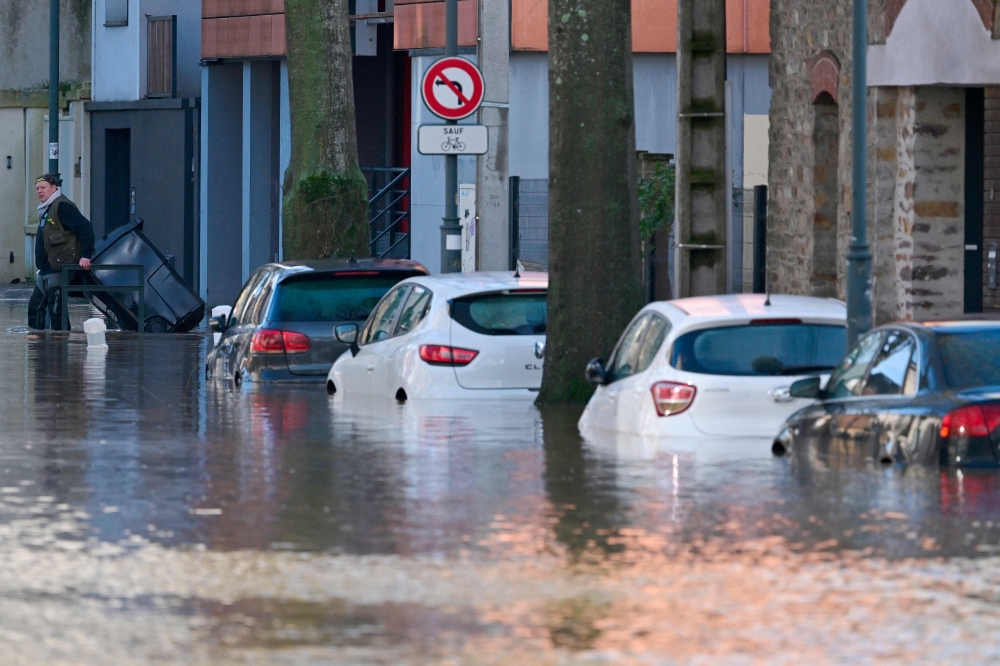
Severe flooding in France has escalated dramatically due to the recent impacts of Storm Ivo, following closely on the heels of Storm Herminia. This situation underscores the growing concerns regarding climate change and its role in exacerbating extreme weather events.
As of January 29, 2025, Storm Ivo has brought exceptional rainfall to Western France, particularly affecting regions like Ille-et-Vilaine, Loire-Atlantique, and Morbihan. Météo-France reported that cumulative rainfall for January has exceeded 178 mm, marking a record for this month since 1944/
The storm is expected to add between 10 to 40 mm more rain, worsening already critical flooding conditions.
Over 1,000 residents have been evacuated due to rising floodwaters, which have reached levels not seen since 2001. In Redon, areas are submerged under 1.5 meters of water.
The local authorities are on high alert, with emergency services responding to approximately 800 calls related to the flooding.
The French railway operator SNCF has suspended train services in affected areas, further complicating the situation for residents relying on public transport.
This flooding is part of a troubling trend in France. The severe flooding in October 2024 also highlighted the increasing frequency of extreme weather events attributed to climate change. Research indicates that rising global temperatures lead to more intense precipitation events, which are becoming increasingly common in regions like France.
Experts warn that as climate change continues to influence weather patterns, communities must prepare for more frequent and severe flooding. The Intergovernmental Panel on Climate Change (IPCC) suggests that heavier rainfall and atmospheric river events will likely increase in occurrence, posing significant risks to infrastructure and public safety.