
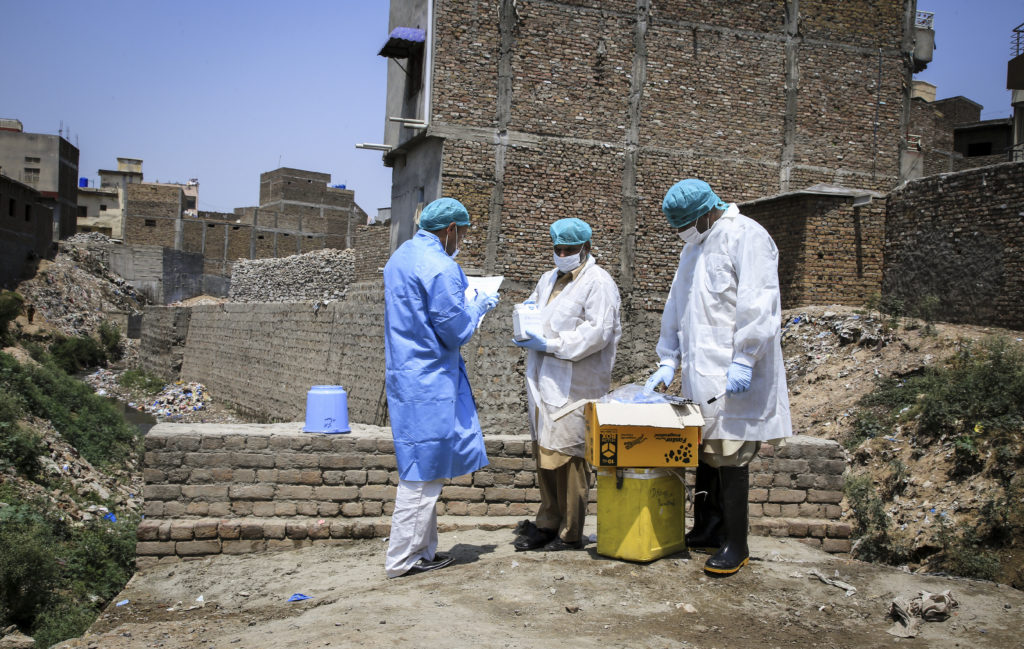
The resurgence of poliovirus in Pakistan has been increasingly linked to environmental pollution, particularly through contaminated water sources and inadequate sanitation infrastructure.
Recent reports indicate that multiple environmental samples from various districts have tested positive for wild poliovirus, highlighting the ongoing risk of transmission in urban areas like Karachi, Peshawar, and Quetta, where broken sewer lines contribute to the contamination of drinking water sources.
Recent data indicates a concerning presence of wild poliovirus type 1 (WPV1) in sewage samples across Pakistan. Here are the key findings:
Sewage Sample Analysis
- Positive Samples: Environmental samples collected from 26 districts tested positive for WPV1 between January 6 and January 15, 2025. This marks a significant detection of the virus in the environment, highlighting ongoing transmission risks.
Affected Districts
The following districts reported positive sewage samples:
- Sindh: Badin, Ghotki, Hyderabad, Jacobabad, Kambar, Karachi (Central, East, Korangi, Malir, South, West, Keamari), Mirpurkhas, Sujawal, Sukkur
- Khyber Pakhtunkhwa: Abbottabad, Bajaur, D.I. Khan, Lakki Marwat, Peshawar
- Balochistan: Chaman, Loralai, Quetta
- Punjab: Lahore, Multan, Rawalpindi
Additionally, samples from Thatta and Umerkot also tested positive last month.
The poliovirus primarily spreads through fecal-oral transmission, often via contaminated water. In Pakistan, poor sanitation and broken sewer systems exacerbate this issue, allowing the virus to thrive in environments where hygiene is compromised.
Recent floods have severely impacted sanitary systems, mixing sewage with floodwaters. This situation creates a conducive environment for the spread of polio, as seen during the catastrophic floods of 2022 that displaced millions and damaged critical infrastructure.
Experts warn that climate change is making Pakistan more vulnerable to such public health threats by increasing the frequency of extreme weather events.
Rapid urbanization without adequate infrastructure has led to a concentration of polio cases in major cities. Areas with high population density and low immunization coverage are particularly at risk.
In response to these challenges, the Pakistani government has initiated multiple vaccination campaigns aimed at immunizing children against polio. Health officials emphasize the importance of vaccination as the only effective means to prevent paralysis caused by this disease. The National Emergency Operations Center for Polio Eradication has outlined plans to conduct several vaccination drives throughout the year to combat both imported strains of the virus and those circulating domestically.
The link between environmental pollution and the spread of poliovirus in Pakistan underscores the need for comprehensive public health strategies that address both vaccination and improvements in sanitation infrastructure. As health officials work to eradicate polio, addressing these environmental factors will be crucial in ensuring long-term success against this debilitating disease.
In 2025, Pakistan has already reported its first case of polio, marking a continuation of the challenges faced in eradicating the disease. Here are the key data points regarding polio cases in Pakistan:
Polio Cases Overview
- First Case of 2025: A 45-month-old male child from Dera Ismail Khan, Khyber Pakhtunkhwa, was confirmed to have contracted polio on January 22, 2025, with symptoms beginning on January 7, 2025.
- Total Cases in 2024: The country reported a total of 73 polio cases in 2024. The distribution of these cases was as follows:
- Balochistan: 27 cases
- Khyber Pakhtunkhwa: 22 cases
- Sindh: 22 cases
- Punjab: 1 case
- Islamabad: 1 case