
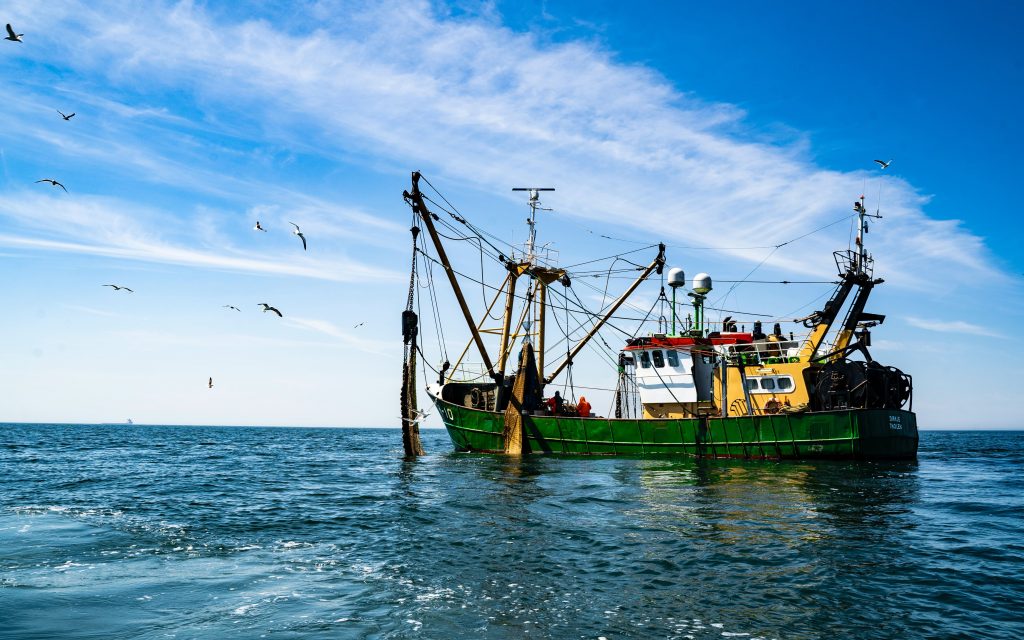
Pakistan’s fishing industry is facing unprecedented challenges as climate change and soaring fuel prices continue to disrupt traditional practices and threaten livelihoods across the coastal regions. Fishermen, who are grappling with dwindling catches and increased operational costs, are calling for urgent government intervention to address the mounting pressures.
Rising sea temperatures and unpredictable weather patterns, attributed to climate change, have significantly impacted fish stocks, making it harder for local fishermen to secure their catches. In addition, escalating fuel prices have compounded the problem, driving up the costs of fishing expeditions and making it increasingly difficult for small-scale operators to remain viable.
The crisis has led to widespread economic strain within coastal communities, with many families reporting a sharp decline in their incomes. As fishing becomes more costly and less productive, there is growing concern about the long-term sustainability of the industry, which is a vital source of employment and food security in the region.
Experts are calling for a comprehensive strategy to support the fishing sector, including measures to mitigate the effects of climate change, invest in sustainable fishing practices, and provide financial relief to affected communities. Without significant intervention, the future of Pakistan’s fishing industry remains uncertain, with potential consequences for both the economy and food supply.
For more details, read the full article here.