
A Landmark Step Towards Low-Carbon Energy Production
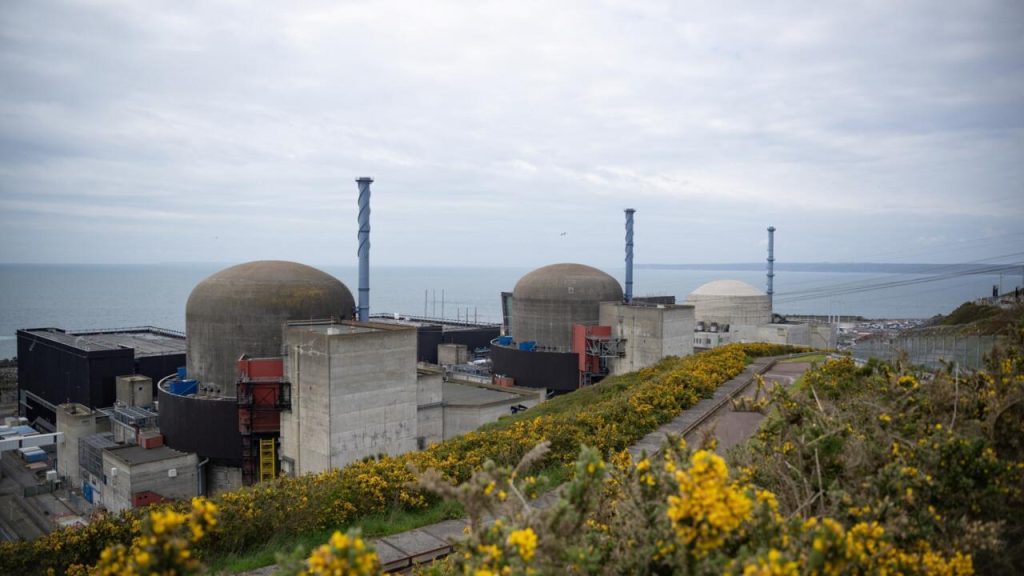
France has successfully connected its most powerful nuclear reactor, the Flamanville 3 European Pressurized Reactor (EPR), to the national electricity grid on December 21, 2024, at 11:48 AM (1048 GMT).
This momentous event was celebrated by leaders, including President Emmanuel Macron, who referred to it as a “great moment for the country” and highlighted the reactor’s significance in producing low-carbon energy.
The connection of Flamanville 3 represents a pivotal development in France’s energy strategy, reinforcing its commitment to nuclear power as a cornerstone of low-carbon energy production. This achievement not only enhances France’s energy independence but also aligns with broader ecological goals amidst global climate challenge.
Key Highlights
- Historic Achievement: The Flamanville 3 reactor is the first new addition to France’s nuclear power fleet in 25 years, with the last reactor, Civaux 2, coming online in 1999. Luc Remont, CEO of EDF, termed this connection “historic,” noting that it marks a significant milestone for the nuclear sector in France.
- Technical Specifications: The Flamanville 3 EPR has a capacity of 1,600 MW, making it the most powerful reactor in France. It is expected to provide electricity to approximately two million homes. The reactor is part of a new generation of pressurized water reactors and is only the fourth of its kind completed globally.
- Delays and Costs: The project faced numerous challenges, leading to a 12-year delay and escalating costs from an initial estimate of €3.3 billion to around €13.2 billion. The construction began in December 2007, but various technical issues and regulatory hurdles delayed its completion significantly.
- Operational Status: Following its initial startup on September 3, 2024, which was interrupted due to an automatic shutdown, the reactor underwent a series of tests before being connected to the grid. It is currently generating electricity and will undergo further testing phases over the coming months until it reaches full operational capacity.