
Environmental Concerns Loom Over Incineration Process
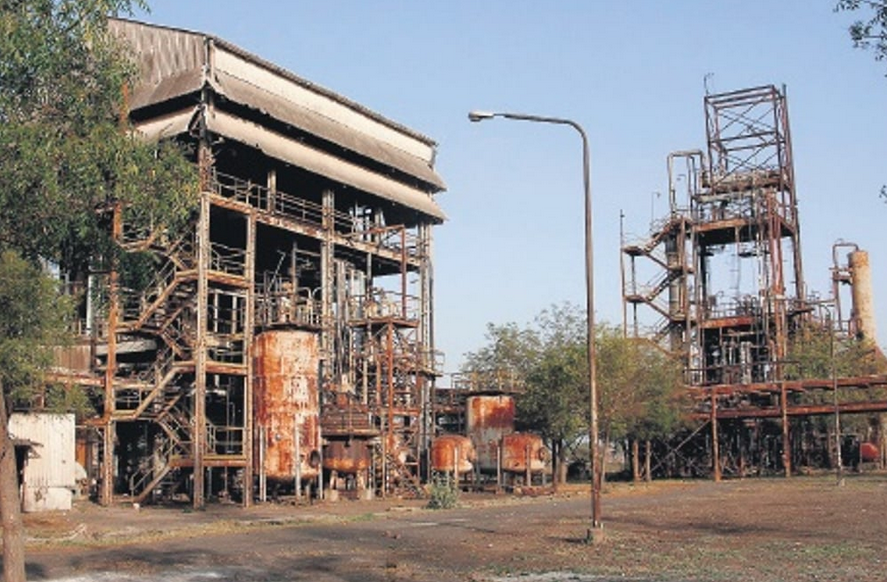
Indian Authorities have recently begun the disposal of toxic waste from the site of the 1984 Bhopal gas tragedy, marking a significant milestone nearly 40 years after the disaster.
On January 2, 2025, officials confirmed that 337 metric tons of hazardous materials had been transported from the Union Carbide plant to a disposal facility in Pithampur, located approximately 230 kilometers from Bhopal. The incineration process for this waste is expected to take between three to nine months.
The Bhopal gas tragedy is considered one of the worst industrial accidents in history. On December 3, 1984, a leak of methyl isocyanate gas from the Union Carbide pesticide plant resulted in immediate fatalities and long-term health issues for over 500,000 residents. Official estimates suggest that around 5,000 to 25,000 people died due to exposure to the toxic gas.
The development comes following a court order mandating the removal of waste within a month, authorities initiated the transport of toxic materials under heavy security. The waste included various hazardous substances, such as pesticide residues and “forever chemicals,” which are known for their persistent environmental impact. The Indian government has asserted that the incineration method is environmentally safe and that emissions will be monitored to prevent contamination.
Despite official assurances, local activists have raised alarms about potential groundwater contamination and environmental hazards associated with the incineration process. They question why Union Carbide and its parent company, Dow Chemical, have not been held accountable for cleaning up their toxic legacy in Bhopal. Activists recall past incidents where similar disposal methods resulted in pollution of surrounding areas.
Rachna Dhingra, a prominent activist in Bhopal, emphasized the need for greater accountability from these corporations.
The removal of toxic waste from the Bhopal disaster site represents a long-delayed effort to address the environmental and health crises stemming from one of history’s most catastrophic industrial accidents. While authorities claim that safety measures are in place for the incineration process, ongoing concerns from activists highlight the complexities and challenges involved in managing such hazardous materials responsibly.