
A Landmark Victory for Ecosystem Restoration and Cultural Revival
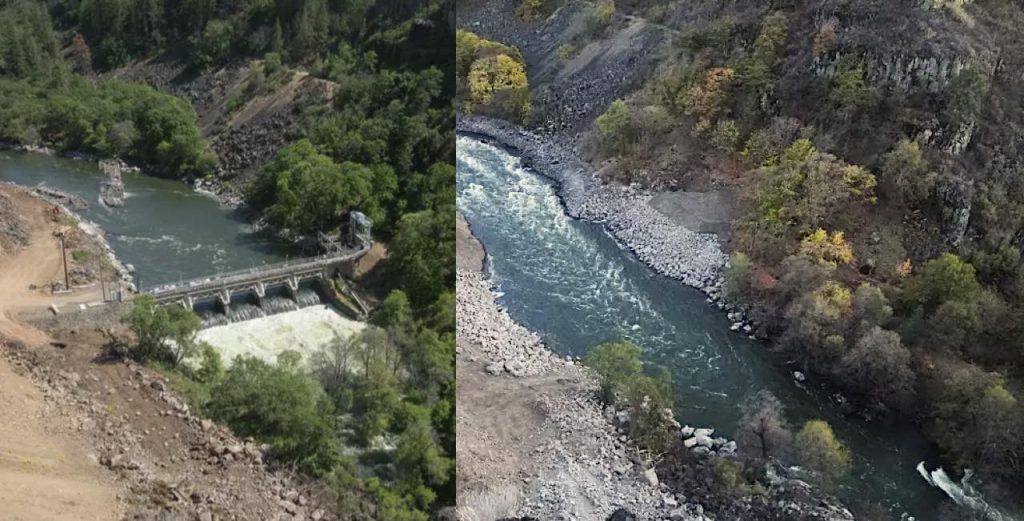
California tribes are celebrating a significant ecological victory with the completion of the largest dam removal project in U.S. history, which involved the removal of four hydroelectric dams on the Klamath River. This monumental effort, driven primarily by the Yurok, Karuk, and Klamath tribes, marks a pivotal moment in their long-standing fight for environmental restoration and cultural revival.
The removal of the dams, completed on October 5, 2024, is seen as a transformative step towards restoring the Klamath River ecosystem. For over a century, these dams obstructed fish migration and disrupted the river’s natural flow, leading to ecological degradation and significant declines in salmon populations, which hold deep cultural and spiritual significance for local tribes.
The project has freed approximately 676 kilometers (420 miles) of river and tributaries, allowing for the potential resurgence of salmon and other aquatic life.
Tribal members have expressed profound relief and joy at this achievement. Brook M. Thompson, a Yurok tribal member and environmental studies Ph.D. candidate, described the moment as feeling like “the weight of all that concrete is lifted off my shoulders”. The tribes view this restoration not just as an ecological necessity but as a matter of cultural survival; the salmon are integral to their identity and way of life.
Amy Bowers-Cordalis, general counsel for the Yurok Tribe, highlighted that the dam removal symbolizes “freedom” and initiates a healing process for the river. The tribes have long fought against the ecological damage caused by these dams, which included devastating fish kills that underscored the urgent need for change.
With the dams now removed, restoration efforts are underway to rehabilitate the river’s ecosystem. This includes redirecting the river’s flow to its natural state and improving water quality, which has already shown signs of improvement since the initial dam removals began. The tribes are optimistic that these efforts will not only revive fish populations but also restore their cultural practices tied to fishing and river health.