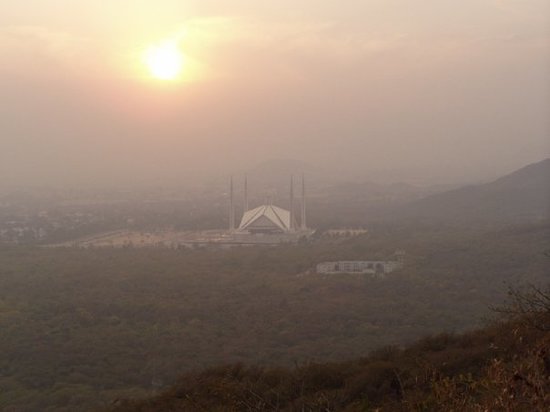
December 2024 has been marked as the most polluted month in Islamabad’s history regarding particulate matter (PM2.5), with significant spikes in air pollution levels. The Air Quality Index (AQI) reached hazardous levels, peaking at 250 on December 22, making the air quality unhealthy for residents and visitors alike.
Over the past decade, Islamabad has seen a surge in vehicle registrations, with over a million new vehicles added. This includes at least half a million vehicles regularly entering the city, significantly contributing to emissions of harmful gases and particulate matter.
Rapid urbanization, including the unregulated development of housing societies and industrial activities, has exacerbated the pollution problem. Dust from construction sites and emissions from brick kilns and steel manufacturing units have been identified as major sources of air pollution.
Seasonal weather phenomena such as temperature inversions and fog have worsened air quality. These conditions trap pollutants close to the ground, leading to higher concentrations of particulate matter in the air.
Seasonal weather phenomena such as temperature inversions and fog have worsened air quality. These conditions trap pollutants close to the ground, leading to higher concentrations of particulate matter in the air.
Vulnerable populations, including the elderly and those with pre-existing health conditions, are particularly at risk. Health experts recommend flu vaccinations and protective measures such as wearing masks and limiting outdoor activities during peak pollution periods.
Government Response
In response to the deteriorating air quality, authorities have implemented several measures:
- Vehicle Restrictions: A ban on smoke-emitting vehicles entering city limits was enforced in November 2024 to combat smog and environmental pollution.
- Monitoring Initiatives: The Pakistan Environmental Protection Agency (Pak-EPA) is planning extensive air quality monitoring across new housing societies and urban areas to develop more effective strategies for controlling pollution levels.
- Technological Interventions: Efforts are underway to convert traditional brick kilns to more environmentally friendly technologies. The Pak-EPA is also introducing indigenous dry scrubber technology aimed at reducing harmful emissions from industrial sources.
The situation in Islamabad highlights the urgent need for sustainable urban planning and effective environmental regulations to protect public health and restore the capital’s once cleaner environment.