
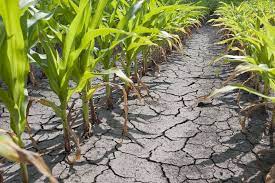
The increasing demand for food production, combined with inefficient irrigation practices, is significantly exacerbating water scarcity globally. This issue is particularly pressing in regions like Pakistan, where agricultural practices heavily rely on water resources that are becoming increasingly limited.
Factors Contributing to Water Scarcity
- Growing Population and Food Demand: The global population is projected to reach nearly 8 billion by 2025, necessitating a substantial increase in food production—estimated at 40% more food required by 2025 in some regions. This rising demand places immense pressure on already scarce water resources.
- Inefficient Irrigation Practices: Agriculture accounts for approximately 70% of freshwater withdrawals worldwide, yet many irrigation systems are outdated and inefficient. In Pakistan, for instance, over 90% of the country’s water resources are consumed by agriculture, leading to severe shortages, especially in tail-end areas of irrigation canals. Inefficient irrigation not only reduces water availability but also leads to nutrient losses and pollution of water sources.
- Climate Change Impacts: Climate change intensifies the challenges of water scarcity through increased frequency of extreme weather events such as floods and droughts. These events disrupt agricultural productivity and further strain water resources.
- Competing Water Uses: The competition for water among agricultural, industrial, domestic, and environmental uses complicates the management of this vital resource. As urban areas expand and industrial activities increase, the allocation of water for agriculture becomes more contentious.
Consequences of Water Scarcity on Food Security
Reduced Agricultural Output: Water scarcity directly impacts crop yields. In regions experiencing severe water shortages, farmers struggle to maintain production levels, leading to food insecurity and rising prices.
Shifts in Food Production Locations: As certain areas become less viable for agriculture due to water scarcity, food production may shift to regions with more reliable water supplies, which could lead to geopolitical tensions over resource allocation.
Economic Impacts: The economic viability of farming is threatened as input costs rise alongside decreasing yields. This situation can lead to increased poverty levels among farming communities reliant on stable crop production
In conclusion, addressing the dual challenges of increasing food production demands and inefficient irrigation practices is crucial for mitigating the impacts of water scarcity on global food security. Without significant improvements in water management strategies, many regions will face dire consequences in both agricultural productivity and economic stability.