
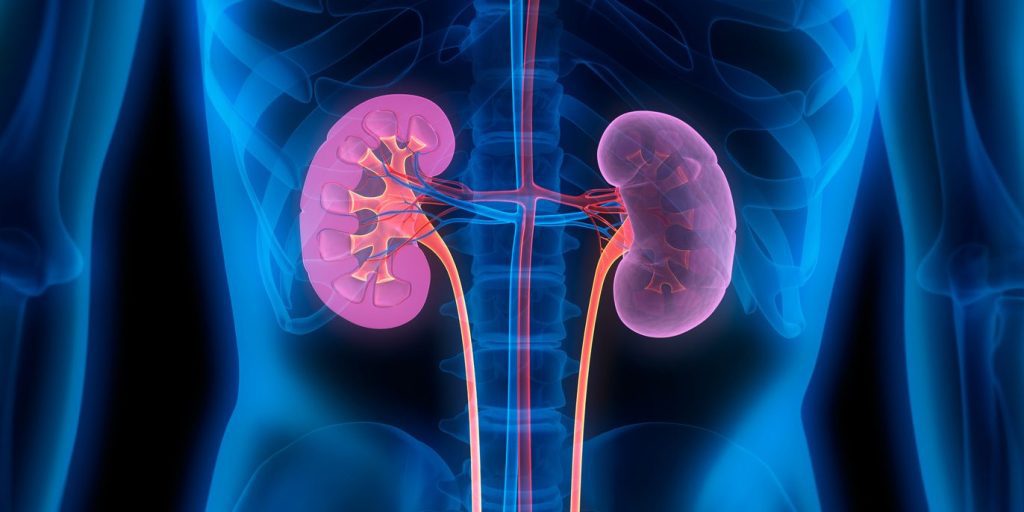
Climate change is increasingly recognized as a significant factor contributing to the rise in kidney disease and urological cancers. A recent review published in Nature Reviews Urology highlights the multifaceted ways in which climate change impacts urological health, with rising temperatures, pollution, and extreme weather events being key contributors to this public health crisis.
Impact of Climate Change on Kidney Disease
Research indicates that extreme heat is directly linked to an increase in kidney-related health issues. For instance, studies show that for every 1°C rise in temperature, the risk of hospitalization for renal diseases increases by approximately 0.9%.
This effect is particularly pronounced among vulnerable populations, including children and the elderly.
Furthermore, heat stress can exacerbate conditions such as chronic kidney disease (CKD) and kidney stones, with projections suggesting that climate-induced kidney stone presentations could rise by up to 3.9% by 2089 under high-emission scenarios.
The pathways through which climate change affects kidney health can be categorized into three tiers:
- First-order effects: Direct impacts like heat-induced dehydration leading to increased risks of kidney stones and renal disease.
- Second-order effects: Exposure to environmental pollutants and contaminated water sources that are exacerbated by climate change.
- Third-order effects: Disruptions in healthcare access due to climate-related disasters, which hinder timely medical interventions.
Urological Cancers and Climate Change
Urological cancers, including prostate, bladder, and kidney cancers, are also on the rise due to climate change. Increased exposure to pollutants from industrial emissions and wildfires has been linked to higher cancer rates.
For example, occupational exposure to wildfire smoke significantly raises cancer risks among firefighters. Additionally, chemicals such as arsenic found in drinking water are classified as carcinogens and have been associated with elevated risks of bladder and kidney cancers.
Healthcare System Challenges
The healthcare sector itself contributes to environmental degradation through high carbon emissions associated with medical treatments. The U.S. healthcare system is estimated to emit around 533 million tonnes of CO₂ annually, with urology being a significant contributor due to its reliance on resource-intensive procedures like robotic surgeries and dialysis. This creates a feedback loop where healthcare interventions not only treat but also exacerbate the climate crisis.
As climate change continues to evolve, its implications for urological health become increasingly severe. There is an urgent need for research-backed policy interventions aimed at mitigating these impacts while promoting sustainable healthcare practices. Addressing the intertwined challenges of climate change and urological health is crucial for improving patient outcomes and protecting public health in the face of a warming planet.