
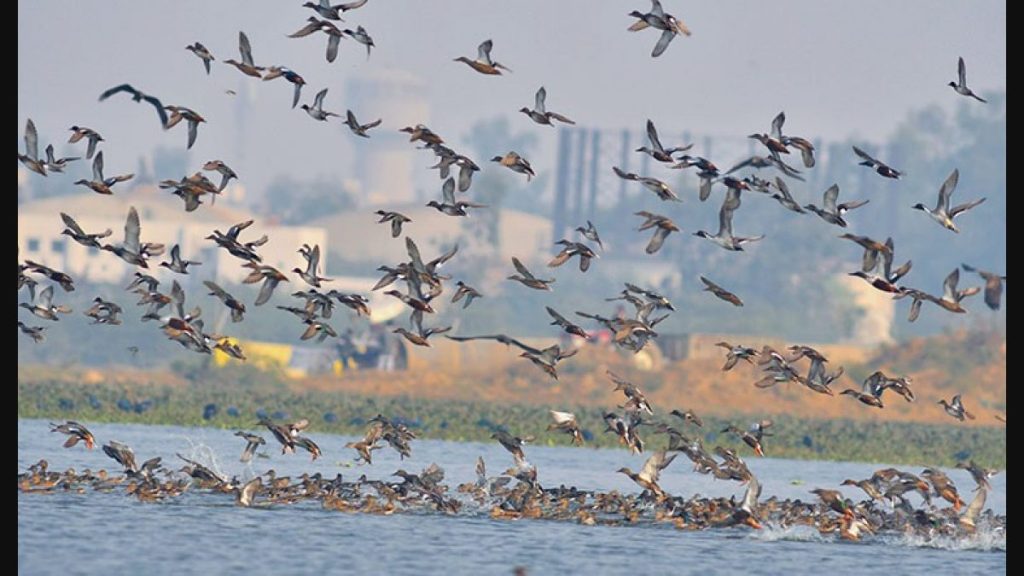
Climate change is significantly impacting migratory birds by making their journeys more perilous. A recent study by BirdLife Greece highlights these dangers, emphasizing how climate change affects vital stop-over sites in North Africa and the Mediterranean, crucial for birds migrating between Africa and Europe.
A new study published by the Hellenic Ornithological Society (BirdLife Greece) delivers a stark warning:
The impacts of climate change on these habitats are multifaceted. Rising sea levels and increased storm intensity threaten coastal wetlands, which serve as essential nesting and foraging grounds for many species. Additionally, changes in seasonal timing can lead to a mismatch between bird migrations and food availability, leaving some birds arriving at their destinations after peak food periods have passed.
Extreme weather events such as cyclones and droughts also pose significant threats to migratory species like swifts, eagles, cranes, buzzards, and nightjars. These events are expected to intensify with climate change, further endangering already vulnerable populations.
Some long-distance migrants are adapting physiologically by evolving smaller bodies or longer wings in response to reduced food availability during migration. However, these adaptations may not be enough to counteract the broader impacts of climate-driven habitat disruption.
Conservation efforts remain critical in addressing these challenges. Organizations like BirdLife Partnership are working tirelessly to protect habitats along critical flyways while supporting initiatives that restore ecosystems benefiting both wildlife and local communities.
The study finds urgent action needed to mitigate the effects of climate change on migratory bird habitats before it’s too late. As global temperatures continue to rise, preserving these delicate ecosystems will be essential for ensuring the survival of countless migratory species that rely on them each year.