
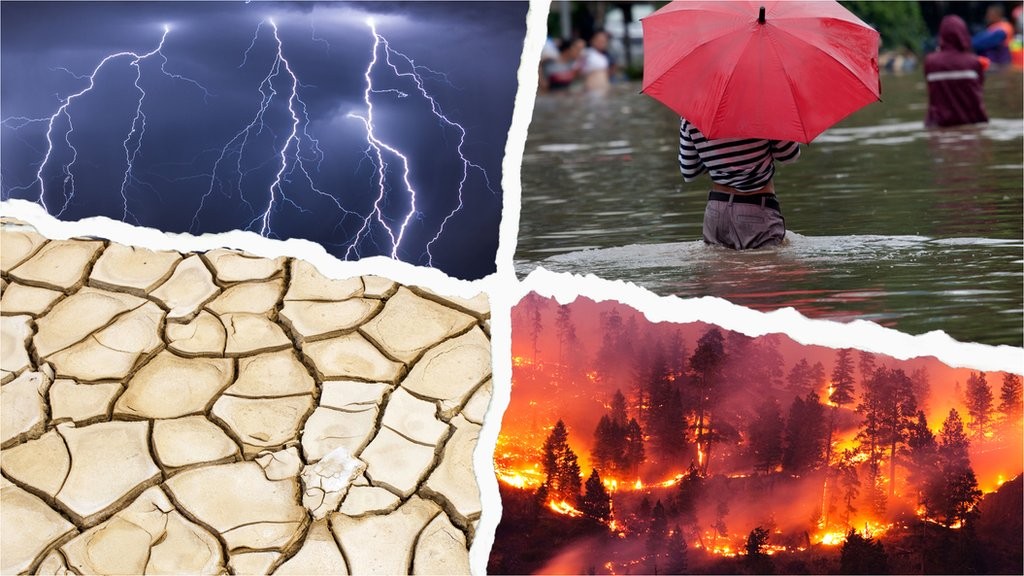
Climate change is increasingly impacting global weather patterns, ecosystems, and human health. As of January 2025, several key developments highlight the urgency of addressing climate change:
Rising Global Temperatures
- Record Heat: The year 2024 was recorded as the hottest year in history, with average global temperatures exceeding 1.5°C above pre-industrial levels for the first time. Predictions suggest that 2025 may be among the three hottest years on record as well.
- Extreme Weather Events: Ongoing climate change has led to more frequent and severe weather events, including wildfires in Southern California and winter storms across the Mid-Atlantic and Southern regions of the U.S. The increase in extreme weather is linked to human-induced climate change, which has made heatwaves, hurricanes, and wildfires more intense.
Biodiversity and Ecosystem Threats
- Species Decline: Warming temperatures are causing significant shifts in terrestrial species ranges, leading to increased local species turnover and a heightened risk of extinction. A staggering 68% decline in populations of mammals, birds, amphibians, reptiles, and fish has been observed since 1970.
- Habitat Loss: Each year, over 12 million hectares of land are lost to desertification and drought, exacerbating food insecurity for millions globally.
Health Impacts
- Heat Stress: Projections indicate that climate change could lead to an additional 250,000 deaths per year from heat stress between 2030 and 2050. This is particularly concerning for regions unaccustomed to high temperatures.
Policy Developments
- National Climate Targets: February 2025 marks a critical deadline for countries to submit updated climate action strategies under the Paris Agreement. These strategies must reflect greater commitments to reducing emissions and transitioning to renewable energy sources.
- International Cooperation: The UN’s Climate Promise initiative aims to align national climate pledges with the goal of limiting global temperature rise to 1.5°C. This effort underscores the need for immediate action as the window for effective climate intervention narrows.
The impacts of climate change are becoming more pronounced, with rising temperatures leading to extreme weather events, biodiversity loss, and significant health risks. Urgent action is required from nations worldwide to mitigate these effects and transition towards sustainable practices.