
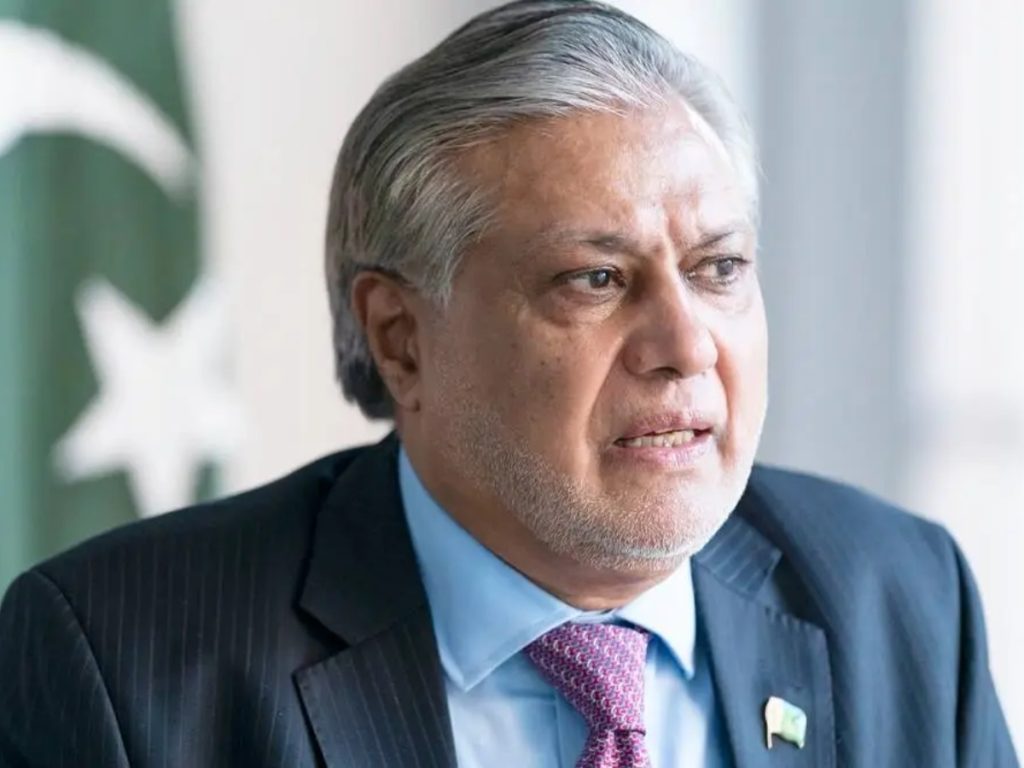
BAKU (November 14,2024) : Deputy Prime Minister and Foreign Minister Muhammad Ishaq Dar highlighted that the current global finance system limits climate investment in developing countries. Speaking at the “Innovative Finance Facility for Climate in Asia and the Pacific” during COP 29, Dar stated that 80% of climate finance stays within developed nations, with financing costs 70–80% higher in emerging markets than in wealthier countries.
According to official news agency APP , Dar noted that most climate finance is directed toward mitigation, while adaptation and loss remain under-resourced. He added that developing countries face further challenges, as climate finance is primarily loan-based, which increases currency risk; foreign currency loans comprise 70–80% of debt in low-income countries.
Pakistan, he said, supports reforming global financial institutions to address these issues, suggesting the use of local currency-indexed bonds, enhanced debt assessment to account for climate risks, and debt relief linked to climate resilience. The minister urged credit rating agencies to reconsider risk premiums for developing countries and called for the IMF to integrate climate risk into its assessments.
Pakistan, among the countries most impacted by climate change, suffered a 4% GDP loss due to the 2022 floods, with damages exceeding $30 billion. Dar stated that Pakistan would need $348 billion by 2030 for climate resilience.
The government is developing new financial frameworks, including climate finance strategies, to increase investments in renewable energy, agriculture, and sustainable projects. Pakistan also launched guidelines for carbon markets to attract investment in hard-to-reduce sectors.
Dar welcomed the recent IF-CAP project on sustainable aviation fuel in Pakistan and acknowledged the support of the Asian Development Bank and other IF-CAP partners, expressing optimism for further collaboration to strengthen regional climate resilience.