
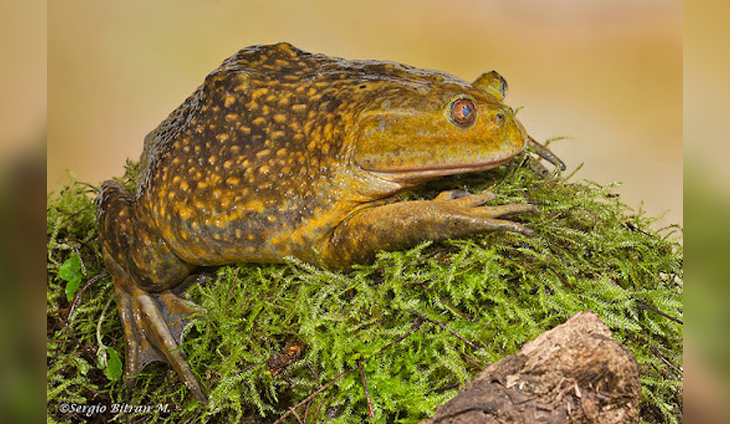
The Helmeted Water Toad (Calyptocephalella gayi), recognized as one of the largest frogs globally, is facing significant threats in its native habitat of Chile. This species, which can grow over 30 cm (1 foot) in length and weigh up to 1 kg (2.2 lbs), has been dubbed a “living fossil” due to its ancient lineage that dates back to the time of dinosaurs.
However, it is now classified as vulnerable by the International Union for Conservation of Nature (IUCN) and is at risk of extinction due to various environmental pressures.
The Helmeted Water Toad plays a crucial role in its ecosystem as a predator of pests. Its decline could lead to increased populations of insects and other pests, which may negatively impact agriculture in the region. Moreover, the frog’s vocalizations are used by farmers as indicators of impending rainfall, highlighting its cultural significance as well.
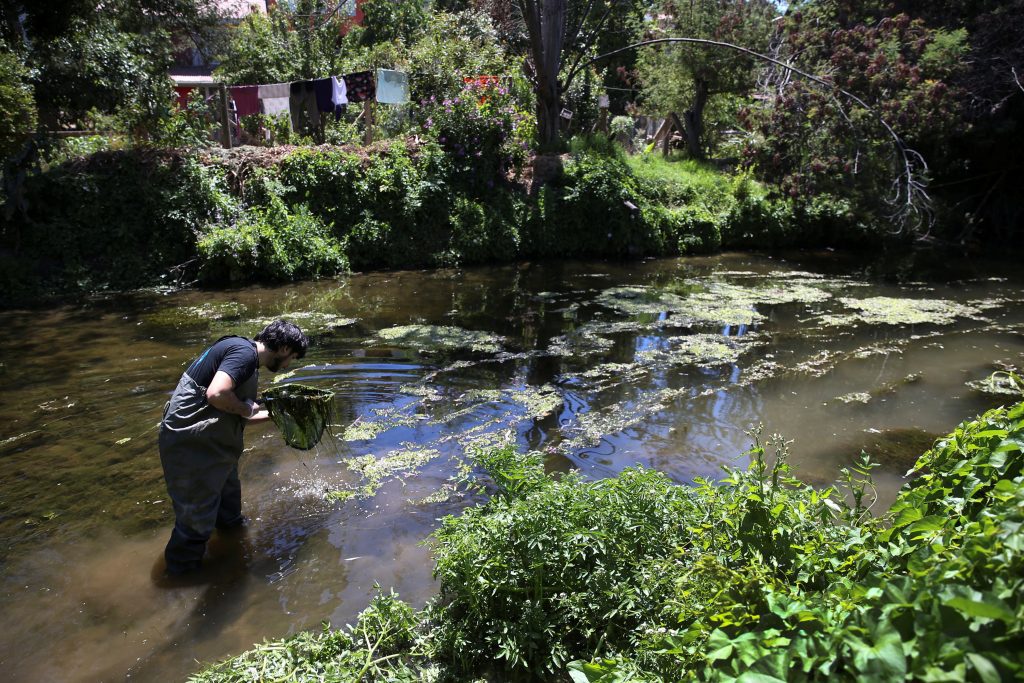
The decline of Calyptocephalella gayi is attributed to several interlinked factors:
- Climate Change: Chile has been experiencing a prolonged drought, termed a “megadrought,” which has severely affected water availability in the frog’s habitat. The rising temperatures and changing precipitation patterns threaten the aquatic environments essential for the frog’s survival.
- Human Intervention: Activities such as deforestation, agricultural expansion, and livestock farming have led to habitat destruction. These practices degrade the ecosystems where the Helmeted Water Toad thrives, reducing its population significantly.
- Invasive Species: The introduction of non-native species like the African clawed frog (Xenopus laevis) has compounded the problem. These invaders not only compete for resources but also carry pathogens such as Batrachochytrium dendrobatidis, which causes chytridiomycosis, a disease devastating amphibian populations worldwide.
- Overharvesting: The frog is considered a delicacy in some regions, leading to over-exploitation. Although hunting is illegal, illegal capture for food remains a significant threat.
Despite these challenges, conservation efforts are limited. Experts advocate for increased awareness and education about the species and its habitat preservation. Strategic conservation planning is essential to mitigate the threats posed by climate change and human activities.
While Calyptocephalella gayi remains a fascinating example of evolutionary history, immediate action is required to ensure its survival amid escalating environmental challenges.