
Punjab, Pakistan – The 2024 academic session in Punjab has been severely impacted by a confluence of political instability, climate change, and hazardous smog conditions, leading to a significant reduction in the number of days schools could conduct in-person classes.
According to a report by the Express Tribune, out of a planned 262 days in the academic calendar, schools managed to hold classes for only 118 days.
The disruptions began early in the year as political unrest swept through the province. Protests organized by the Pakistan Tehreek-e-Insaf (PTI) resulted in road closures and public demonstrations that prevented many students from reaching their schools.
The situation was compounded by extreme weather conditions, including a severe heatwave that struck in May, prompting the government to close schools for an entire week. This closure affected approximately 26 million children, representing more than half of the school-age population in Punjab.
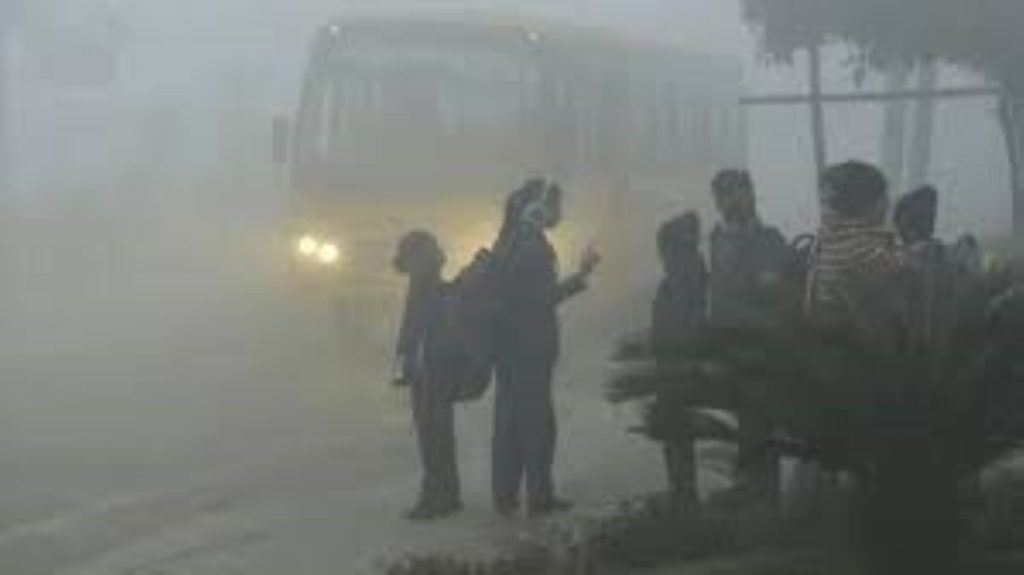
As the academic year progressed, schools faced additional challenges due to persistent smog. From late November on wards, many institutions were forced to shift to online learning or close altogether due to hazardous air quality levels. The impact of these environmental factors was felt acutely, with schools struggling to complete their curricula.
In response to these challenges, the government announced that the new academic year would begin on April 1, 2024, with Saturdays declared as holidays. This decision effectively limited classroom time to just five days a week. Furthermore, various holidays were instituted throughout the year due to extreme weather and ongoing protests, including summer vacations from June 1 to August 14 and additional closures in September and November.
To address the lost instructional time, educational authorities have reduced syllabi by 25% for examinations this year. However, educators and parents alike express concern over the long-term implications of such disruptions on students’ learning outcomes and overall educational development.
As Punjab grapples with these multifaceted challenges, calls for urgent reforms and effective strategies are growing louder. Stakeholders emphasize the need for a comprehensive approach to ensure educational continuity and resilience against future disruptions caused by political or environmental factors.
The situation remains fluid as authorities seek solutions to restore normalcy in education and support the millions of students affected by this unprecedented academic year.