
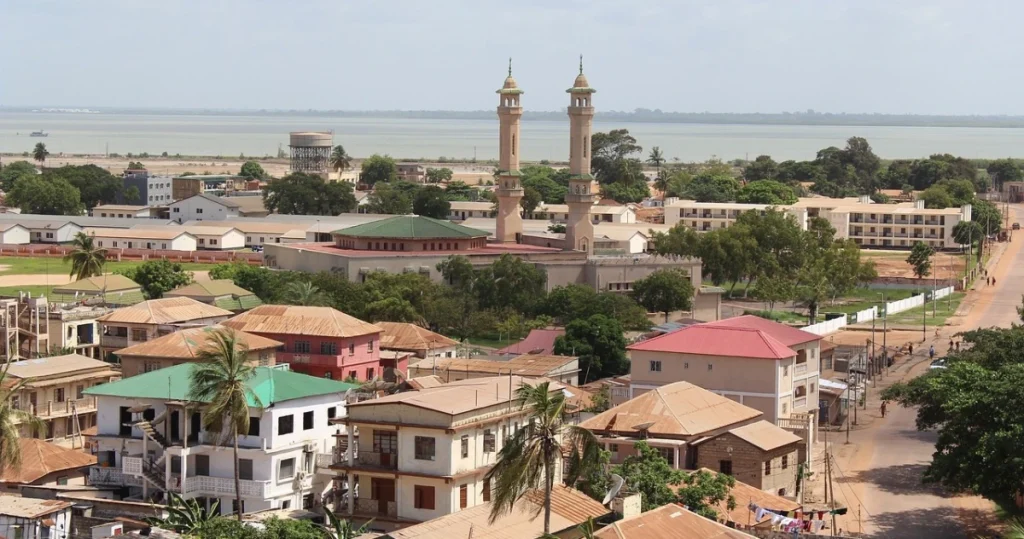
As climate change accelerates, Banjul, the capital of The Gambia, is facing an alarming threat from rising sea levels. Experts warn that a one-meter increase could inundate nearly 10% of the city and its surrounding areas, prompting a growing number of residents to abandon their homes in search of safer ground.
The impact of sea level rise is already being felt, with severe flooding affecting over 50,000 people during the heavy rains of July and August 2022. The vulnerability of Banjul is further compounded by commercial sand mining, which erodes natural barriers and exacerbates coastal flooding.
The population decline in Banjul is stark; from approximately 45,000 residents in 1983, the number has dwindled to around 26,000 in 2024. Research indicates that a significant portion of the population—about 64% of households—plans to migrate by 2050 due to the escalating impacts of climate change.
The economic consequences are equally grave. Estimates suggest that property valued at approximately USD 217 million could be lost if sea levels rise as predicted. Moreover, agricultural production is at risk from saline intrusion into groundwater resources, threatening food security for many.
Without urgent intervention and effective climate adaptation strategies, Banjul’s future hangs in the balance as it grapples with the realities of a changing climate.