
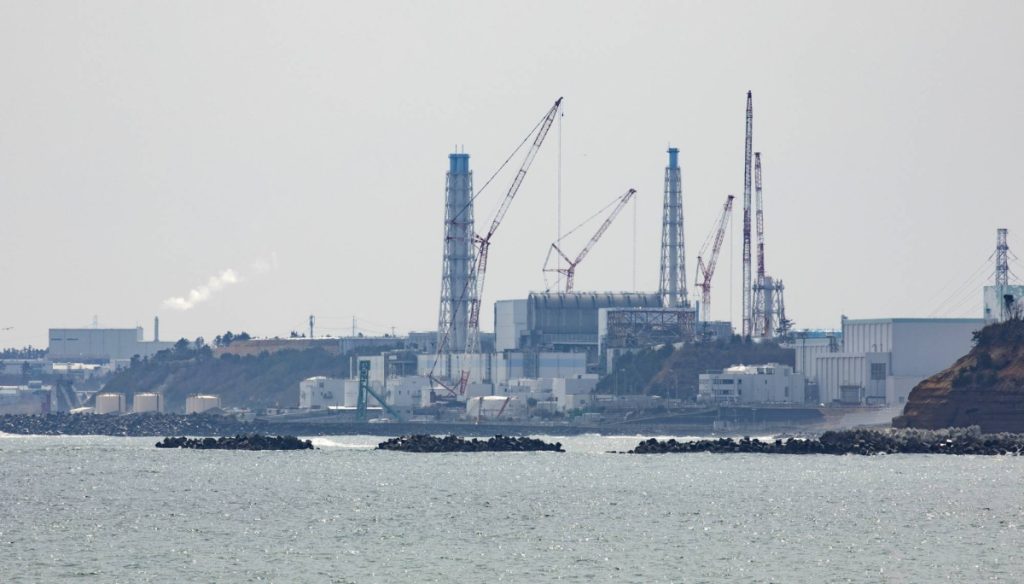
Tokyo Electric Power Company (TEPCO) is preparing for a second trial removal of nuclear fuel debris from the Fukushima No. 1 nuclear power plant, anticipated to take place between March and April 2025. This follows the successful completion of the first trial, which involved extracting a small sample of debris from the plant’s No. 2 reactor, a process that began in September and concluded on November 7, 2024.
During the initial trial, TEPCO successfully retrieved approximately 0.7 grams of debris, which has since been analyzed by the Japan Atomic Energy Agency (JAEA). The analysis revealed the presence of uranium, along with iron and zirconium, indicating the complex composition of the debris.
The upcoming operation aims to enhance data collection regarding the condition of the reactors and support future decommissioning efforts, as an estimated 880 tons of radioactive debris remains within the facility.
TEPCO officials have indicated that they are “upgrading” their equipment and procedures in preparation for this next phase, emphasizing the importance of these operations in understanding and mitigating risks associated with the remaining fuel debris.
The debris removal process at the Fukushima Daiichi Nuclear Power Plant involves significant international cooperation, primarily through various organizations and agreements aimed at ensuring safety, sharing expertise, and facilitating effective waste management. Key aspects of this cooperation include:
1. International Atomic Energy Agency (IAEA) Involvement:
- The IAEA collaborates with the Fukushima Prefecture on radiation monitoring and remediation efforts. This partnership aims to enhance local capabilities in managing radioactive waste and improving public safety through comprehensive environmental assessments and decontamination strategies.
- The IAEA has conducted extensive reviews of Japan’s plans for discharging treated water from Fukushima, ensuring that these plans align with international safety standards. This process involved a task force comprising specialists from multiple countries who provided oversight and technical guidance throughout the planning phase.
2. Nuclear Energy Agency (NEA) Initiatives:
- The NEA has established an Expert Group on Fukushima Waste Management and Decommissioning R&D, which includes participation from several countries such as France, the UK, the US, and Russia. This group focuses on evaluating waste management strategies post-accident and developing a strategic approach for Japan to manage radioactive waste effectively.
- The NEA promotes international dialogue on best practices for waste characterization, segregation, and long-term storage, facilitating knowledge sharing among member countries1.
3. Bilateral and Multilateral Agreements:
- Various bilateral agreements exist between Japan and other nations to enhance collaboration on nuclear safety and waste management technologies. These agreements often involve sharing research findings, technical expertise, and resources for effective debris management.
- Countries with experience in managing nuclear accidents, such as those involved in responses to the Chernobyl disaster, contribute valuable insights into best practices for handling similar situations in Fukushima.
4. Research and Development Collaboration:
- Japan Atomic Energy Agency (JAEA) engages in international cooperation for research and development related to nuclear waste management. Collaborations with countries like the US and Belgium focus on advanced technologies for radioactive waste disposal and transmutation.
The international cooperation surrounding the debris removal process at Fukushima is multifaceted, involving organizations like the IAEA and NEA, as well as various countries working together to ensure safe and effective management of radioactive materials while learning from past experiences in nuclear safety.
Environmental Impacts of the Debris Removal Process
The removal of debris, particularly in contexts such as disaster recovery or nuclear facility decommissioning, can have significant environmental impacts. The following points outline the key environmental concerns associated with this process:
1. Pollution Risks:
- Soil and Water Contamination: Improper disposal of debris can lead to the release of hazardous materials into soil and water systems. Contaminants from debris, such as heavy metals and chemicals, can leach into groundwater and surface water, posing long-term environmental risks.
- Air Quality Degradation: The generation of dust during debris removal can release harmful particulates into the air, affecting local air quality and potentially leading to respiratory issues among workers and nearby residents.
2. Ecosystem Disruption:
- Habitat Destruction: The physical removal of debris can disrupt local ecosystems, particularly if debris is disposed of in sensitive natural habitats. This disruption can impede wildlife migration and damage biodiversity.
- Invasive Species: Debris accumulation can create environments conducive to the spread of invasive species, which may outcompete native flora and fauna.
3. Health Hazards:
- Exposure to Toxic Materials: Debris may contain hazardous substances such as asbestos or lead, which pose serious health risks if not handled correctly during removal. Inadequate management can lead to exposure for workers and the public, resulting in health complications over time
- Public Health Risks: Accumulated debris can become a breeding ground for pests and pathogens, increasing the risk of diseases spreading within communities.
4. Waste Management Challenges:
- Inefficient Disposal Practices: A linear approach to debris management often leads to ad-hoc dumping, which simply shifts the problem rather than resolving it. This practice can result in significant costs and environmental damage if not properly managed.
- Recycling Opportunities: Effective debris management should include recycling and reusing materials whenever possible, which can mitigate some negative impacts by reducing the need for new resource extraction and minimizing landfill use.
5. Climate Change Considerations:
- Carbon Footprint: The transportation of debris for disposal contributes to greenhouse gas emissions. Sustainable practices that involve local processing and recycling can help reduce this carbon footprint.
While debris removal is essential for public safety and environmental health, it must be conducted with careful planning and consideration of its potential impacts on ecosystems, human health, and overall environmental sustainability. Proper management strategies are crucial to minimize these risks while maximizing recovery efforts.