
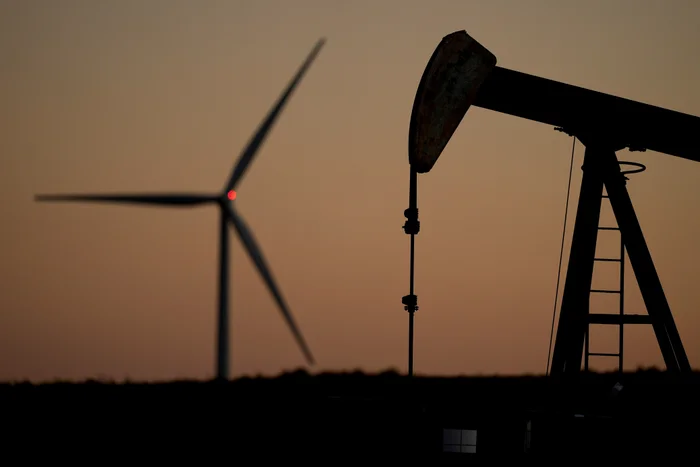
US President Donald Trump has intensified his criticism of offshore wind energy, claiming it harms marine life and vowing to halt projects through executive action. However, scientific evidence and energy impact comparisons reveal a more nuanced reality.
Trump asserts that offshore wind farms “drive whales crazy,” linking turbine construction to increased whale strandings along the Massachusetts coast. He has pledged to revoke support for wind energy, calling it “the most expensive energy ever” and prioritizing fossil fuel expansion. His administration plans to reverse President Biden’s offshore drilling bans and renewable energy initiatives.
Scientific Rebuttals:
- Whale Strandings: Federal data and marine biologists identify fishing gear entanglements, ship strikes, and disease—not wind farms—as the primary causes of whale deaths. NOAA’s 2024 review of the Vineyard Wind project found no significant risk to endangered whales.
- Bird Mortality: While wind turbines do kill birds (estimated at 0.3–0.6 million annually in the U.S.), this pales compared to 1.3–4 billion bird deaths from collisions with buildings and 72 million from pesticide exposure.
Wind vs. Fossil Fuels: Environmental Trade-offs
Scientists emphasize that while wind energy has localized impacts, fossil fuels pose far greater risks to wildlife and ecosystems:
| Impact | Wind Energy | Oil/Gas |
|---|---|---|
| Climate Contribution | Reduces greenhouse gases | Major driver of climate change |
| Habitat Disruption | Short-term site disturbance | Long-term fragmentation and pollution |
| Marine Life Threats | Limited noise during construction | Chronic oil spills, seismic airgun noise |
| Avian Mortality | ~0.3M–0.6M/year (U.S.) | Indirect via climate change and toxins |
Key Findings:
- Oil’s Legacy: The 2010 Deepwater Horizon spill caused lasting harm to Gulf of Mexico dolphins, with population declines up to 83% in some species.
- Noise Pollution: Seismic surveys for oil exploration generate low-frequency sounds detectable across entire ocean basins, disrupting marine mammals.
- Renewable Advantages: Offshore wind farms can become artificial reefs, attracting fish and seals, while offering scalable climate solutions.
Industry and Policy Responses
- Wind Mitigation: Developers use radar to deter birds, avoid migratory routes, and fund conservation programs.
- Fossil Fuel Limits: Double-hulled tankers reduced oil spills, but methane leaks and drilling-related habitat loss persists.
Scientists universally agree that climate change—driven by fossil fuels—is the paramount threat to ecosystems. As marine ecologist Beth Scott notes, “Fossil fuels and their contribution to climate change overshadow all other concerns”. While wind energy requires careful siting and monitoring, its role in curbing global warming makes it a critical alternative to oil and gas.